

Let’s take a journey through time… ⏳ But this time, instead of a fast time machine, we’ll move step by step through the ruined streets of Berlin 🏚️, the cold corridors of the bunker ❄️, and glimpse the mindset of the people living in that era. April 29, 1945… One of the days that changed the fate of Europe. 🌍
The Last Days in the Heart of Berlin: Chaos, Fear, and the Bunker 🏙️🔥
Berlin, in the final days of World War II, had turned into an open-air prison. 🏚️ The city streets were shattered by the passage of Soviet tanks 🛡️, and shortages of food and water had become an everyday reality. The people were hungry 🍞, exhausted 😓, and filled with fear 😨.
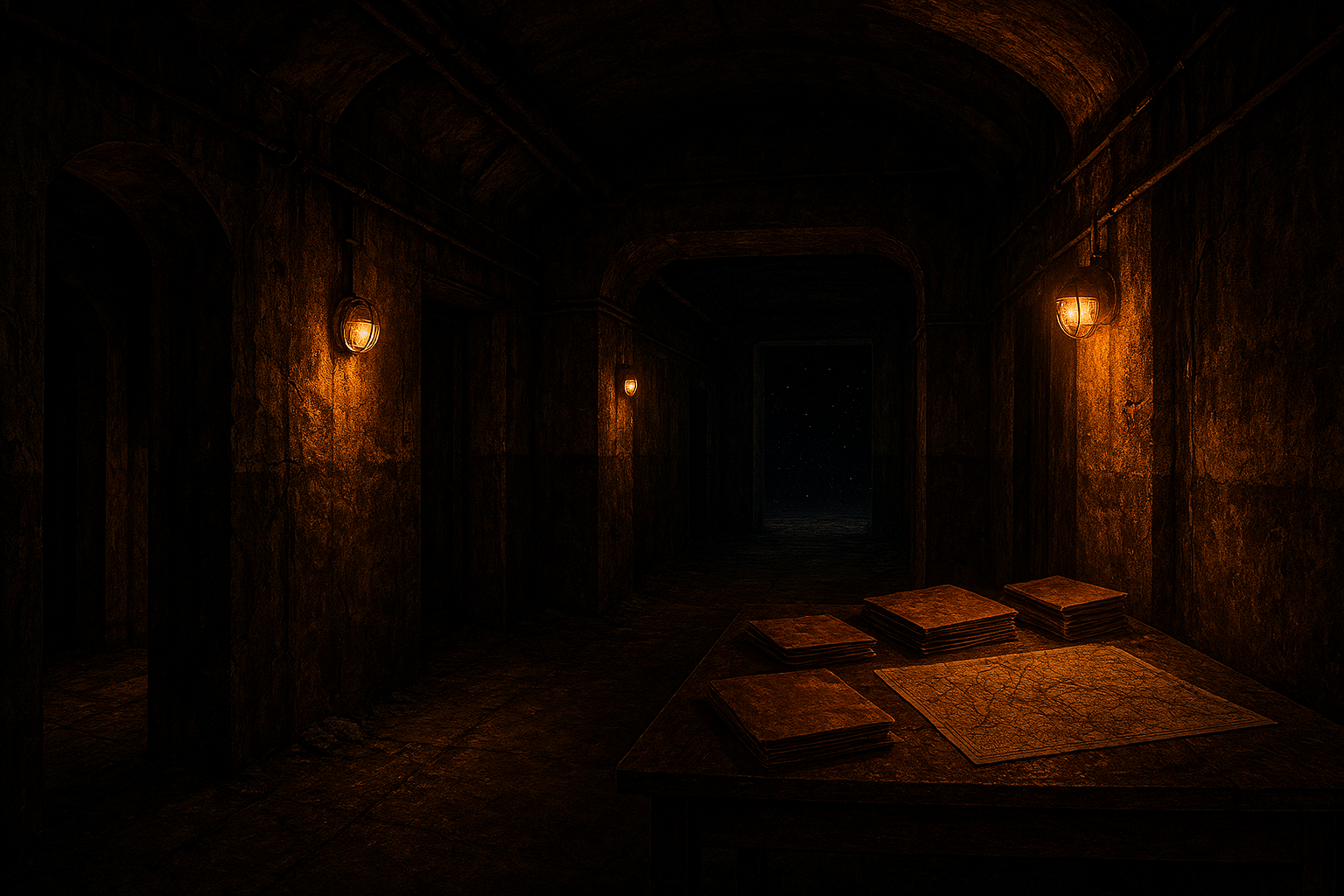
Adolf Hitler had abandoned his arrogant posturing to the world; he was spending his final days in the famous “Führerbunker” 🕳️. An interesting detail: the bunker was not only a shelter, but also Hitler’s small personal world 🌌. His desk was always covered with brown files 📂, maps 🗺️, and plans… but none of it mattered anymore. At that time, Berlin civilians peered nervously out the windows, asking themselves, “Will a bomb fall today?” 💣
The People and Their Psychology 🧍♂️🧍♀️
Not only the leaders, but ordinary people also felt the devastating effects of the war deeply. On April 29, 1945, Berlin residents were struggling with hunger 🍲, cold 🥶, and constant fear of air attacks. Here are some practical details:
People scavenged for food, eating rotten potatoes 🥔, rats 🐀, and animal bones 🦴.
Mass escapes began; trains 🚂, horse-drawn carts 🐎, and walking groups 🚶♂️🚶♀️ tried to flee the city.
Psychologically, keeping morale up was almost impossible 😔; news was constantly bad, and hope was dwindling.
The streets of Berlin had become so devastated that the city map 🗺️ could have been called a map of ruins. According to some sources, the rubble was so dense that moving through the streets felt like navigating a parkour course 🏃♂️💨.
The Events of April 29, 1945: Soviets and Hitler 🛡️💥
The Soviets had surrounded Berlin, with tanks and infantry 🪖 slowly taking control of the city. On April 29, critical locations in central Berlin were under Soviet control.
The most striking event of this day: Hitler’s marriage plans 💍! Surprisingly true: on April 29, Hitler married Eva Braun, with whom he had long been associated, inside the bunker 👰🤵. So one of the most tragic and bizarre love stories in world history happened during one of the most destructive days of the war.
As the Soviets tightened their control, Hitler and his inner circle were in complete despair 😰. Some sources say that there were heated arguments in the bunker, and even some officers suggested surrender ⚔️. But Hitler’s pride no longer allowed for capitulation.
The Impacts of the Era: The End of the War and Europe’s Reconstruction 🌍✌️
April 29 was not just a day, but a turning point that changed the course of the war. Its impacts were:
Military Impact: Berlin was surrounded, and Nazi resistance was broken 🛡️, signaling the inevitable surrender of Germany.
Social Impact: The people of Europe began to feel, for the first time, a sense of hope for freedom and peace 🕊️.
Political Impact: The foundations of the post-war order were being laid 🏛️. One year later, the United Nations would be established to promote international cooperation and peace 🤝.
Practical tip: War reports and maps from this period are also educational for modern strategy and crisis management 🗂️. Lessons can be drawn about city sieges, logistics, and civilian psychology 📚.
Benefits and Damages ✅❌
Benefits: The collapse of Nazi Germany opened the way for the reestablishment of democratic order in Europe 🏛️. Hope for freedom emerged 🌅, and the end of the war became visible.
Damages: The destruction of Berlin 🏚️, millions of people becoming homeless, and the psychological trauma 😢 were heavy costs of the war. In addition, the city’s cultural and historical heritage nearly vanished 🏛️🔥.
Extraordinary Lessons of April 29, 1945 🎓💡
Leadership and pride: History shows that excessively arrogant leaders can lead to disaster ⚠️.
Importance of civilian life: War affects not only soldiers but also civilians deeply 🧍♀️🧍♂️. Hunger, fear, and psychological pressure are the unseen weapons of war.
Small details tell big stories: Hitler’s marriage 💍, though minor, illustrates history’s human dimension and dramatic flow.
Conclusion: Beyond History Books 📖🌌
April 29, 1945, was not just a date, but a day that tested destruction, hope, tragedy, and the human spirit 🕊️💔. From Berlin’s ruined streets to the cold walls of the bunker, the story reminds us that history is not just about big wars, but also shaped by human stories.
The war was nearing its end, but its lessons, teachings, and stories remain invaluable for centuries 🌟.



Hi there I am so thrillked I found your blog, I really found you by error, while I was browsing on Bing for something else, Anyways I
amm herre noww and would just like to say cheers for a remarkable
post and a all round enjoyable blog (I also love the theme/design),
I don’t have time to lok over it all at the moment but I have savedd it and aso included your RSS feeds, so when I
hqve time I will bbe back to read more, Please doo keep up the superb b. https://Evolution.Org.ua/
Thanks for your comment.