Some inventions don’t look like space rockets or make noise like electric cars, yet they quietly change the world. No one jumps up saying “Wow!” because of them—but the moment they disappear, life comes to a halt.
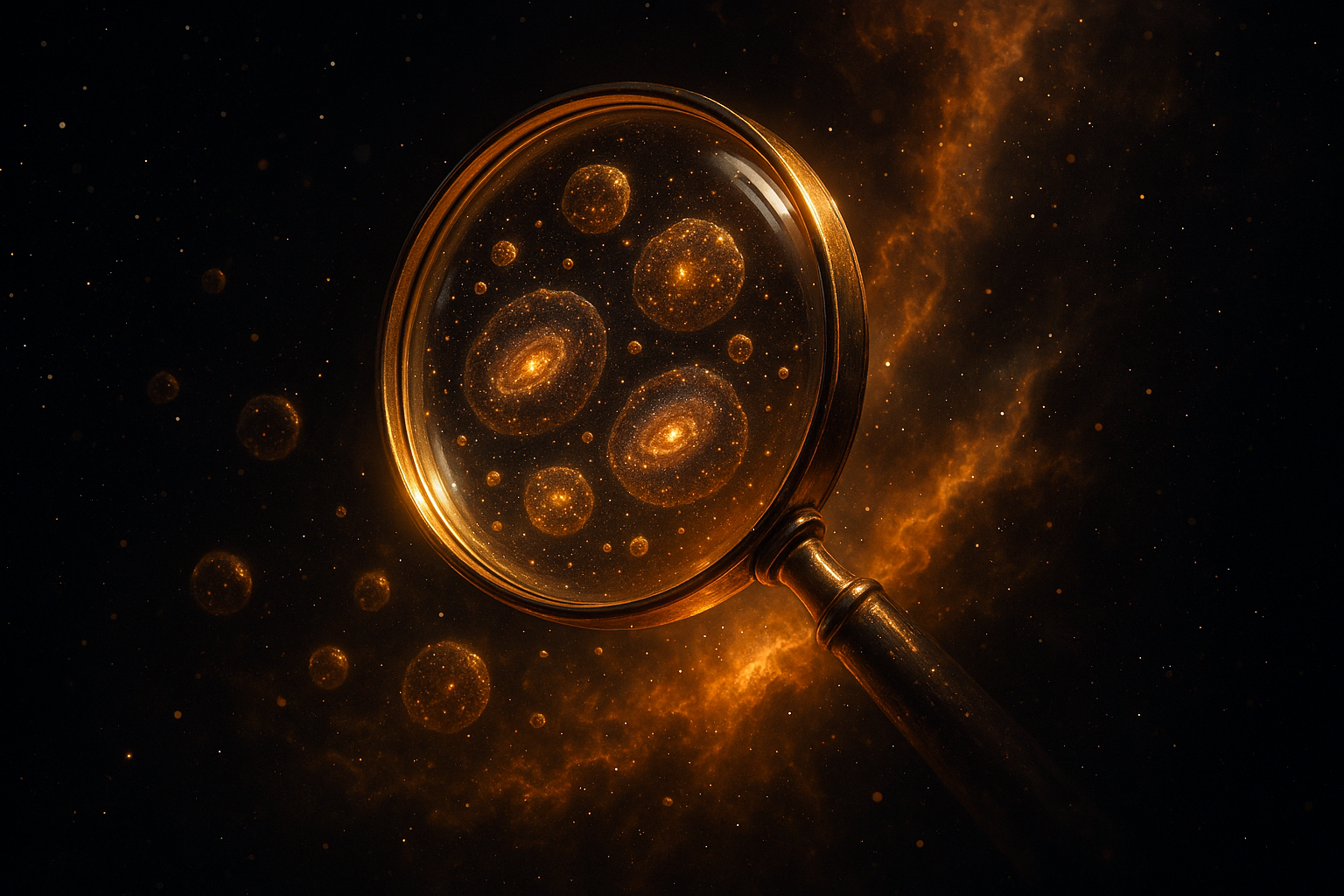
The magnifying glass is exactly one of those inventions 🔍
Small, modest, unassuming… yet a hidden hero in the history of science, art, music, craftsmanship, and even detective work.
What Is a Magnifying Glass? (A Short Awakening for Those Who Think It’s Just a Piece of Glass)
Technically speaking, a magnifying glass is made of a convex lens. But let’s be honest—that definition is a bit boring.
In reality, a magnifying glass is:
👉 The helper that steps in when your eyes say “I can’t see this.”
👉 A spotlight that puts tiny details center stage
👉 A visual magician that makes the invisible visible
By bending light, it makes objects appear larger on the retina. So no, your eyes aren’t lazy—they just need a little support 😄
How Was the Magnifying Glass Discovered? (The Triumph of Curiosity)
Do you know what the strongest force in human history is?
👉 Curiosity.
Centuries ago, people noticed that:
Objects look different through glass
Items appear larger when viewed through water
Light is far more “playful” than it seems
And then, the rock star of optics stepped onto the stage:
🎓 Ibn al-Haytham (965–1040)
He wasn’t just a scholar—he was a full-blown scientific revolutionary.
He proved that light doesn’t come out of the eyes; it travels from objects to the eyes
He scientifically explained how lenses could magnify images
He relied on experiments (a legendary move for his era)
His works reached Europe, glassmakers absorbed this knowledge, and someone eventually said:
“What if we make it a little more curved… wouldn’t it magnify even more?”
And yes… it did 🔍
What Is a Magnifying Glass Used For? (Much More Than You Think)
A magnifying glass isn’t just for reading tiny text. Here’s where it truly shines:
🔬 In Science
Opened the door to studying cells
Laid the foundation for the microscope
Accelerated progress in biology, chemistry, and medicine
🎨 In Art
Painters checked fine details
Restorers examined cracks in paintings
Miniature artists became inseparable from magnifying glasses
🎼 In Music
Yes—music too!
Violin makers (luthiers) examine wood fibers with magnifying glasses
Tiny cracks in guitar necks are detected this way
Small markings in musical notation are carefully inspected
In short, the magnifying glass is the backstage star of the arts 🎻
Practical Tips & Fun Facts
🔍 How to Choose the Right Magnifying Glass
2x–3x: Books, newspapers, everyday use
5x–10x: Hobbies, repairs, jewelry
20x and above: Professional inspection (hand shaking included 😄)
☀️ Using a Magnifying Glass in the Sun
If you adjust the focal point correctly, you can burn paper.
But a small warning:
👉 Don’t burn down the house in the name of science 😅
👀 To Avoid Eye Strain
Don’t hold it too close
Keep the light source behind you
Take breaks during long use
The Doors the Magnifying Glass Opened for Science
Without the magnifying glass:
🔬 The microscope would have arrived late
🔭 Telescopes wouldn’t have developed
🧬 Cell theory might not exist
🦠 Microbes would still be considered myths
In other words, the magnifying glass is science’s very first zoom button.
Is There a Single Inventor? (Spoiler: No, But There Are Heroes)
The magnifying glass has no single inventor.
It was born from the combined efforts of:
Scholars
Glassmakers
Observers
Curious minds
But Ibn al-Haytham is the leading figure of this story.
He wrote the script of optical science; others brought it to the stage 🎭
Conclusion: A Small Piece of Glass, A Great Revolution
The magnifying glass whispers this to us:
“You can’t understand the big picture without looking at the details.”
At the foundation of today’s world-changing technologies lies a small piece of glass once held in someone’s hand.
And someone dared to think:
“What if we look a little closer?”
Good thing we did 🔍✨