

4
Richard Strauss: The Composer Walking Between Romanticism and Modernism 🎼🔥
(Imagine a composer who breaks your heart and pushes your ears to the edge at the same time.)
Some composers let you lean back comfortably in your chair while listening.
Others make you sit up and say, “Wait… what is happening here?”
And then there is Richard Strauss.
He is not merely listened to — he is experienced.
This article is for those who are afraid of classical music, who say “it’s too heavy,” or who wonder, “Where should I even start?”
Spoiler alert: Strauss will catch you off guard — and you won’t regret it 😄
🧬 1. The DNA of Strauss’s Music: “I Love Tradition, But I Also Love Disturbing It”
To understand Strauss, you need to know one thing:
He deeply respects tradition — and enjoys making it uncomfortable.
🎵 Technically, what does he do?
- Huge orchestras: 100+ musicians = a normal day
- Dense orchestration: Many things happen at once, but it’s controlled chaos
- Extreme dynamics: From a whisper to thunder in three seconds
- Bold harmonies: Sometimes you think, “Was that a mistake?” (No — very intentional)
👉 Tip (for listeners):
Don’t check your phone while listening to Strauss. Miss one moment, and the whole story collapses.
👶 2. From Little Richard to Big Strauss: “This Kid Is Too Good”
Strauss was born in Germany in 1864. His father was a horn virtuoso in a court orchestra.
So the household probably sounded like this:
— “What did you do today, son?”
— “I wrote a symphony, Dad.”
🧠 Early mastery:
- Reading and writing music at a very young age
- In his twenties, he already knew more about orchestration than most professionals
- People started saying: “This kid knows what comes after Wagner.”
👉 Tip (for musicians):
Study Strauss’s scores. They are orchestration lessons disguised as music. A free masterclass.
🎥 3. Symphonic Poems: No Spotify, Strauss Made Movies


Strauss wasn’t just writing music — he was telling stories.
No words. Only sound.
🎼 What is a symphonic poem?
- One continuous movement
- Programmatic (it tells a story, idea, or character)
- You see scenes in your mind while listening
🎧 Must-listen works:
- Also sprach Zarathustra
→ Humanity, power, philosophy (and yes, that space movie 😄) - Don Juan
→ Fast, passionate, dangerous - Till Eulenspiegels lustige Streiche
→ Musical mischief at its finest
👉 Tip (for beginners):
Start with Don Juan. The energy pulls you in instantly.
🎭 4. Strauss on the Opera Stage: “I’m Going to Make You Uncomfortable — Ready?”


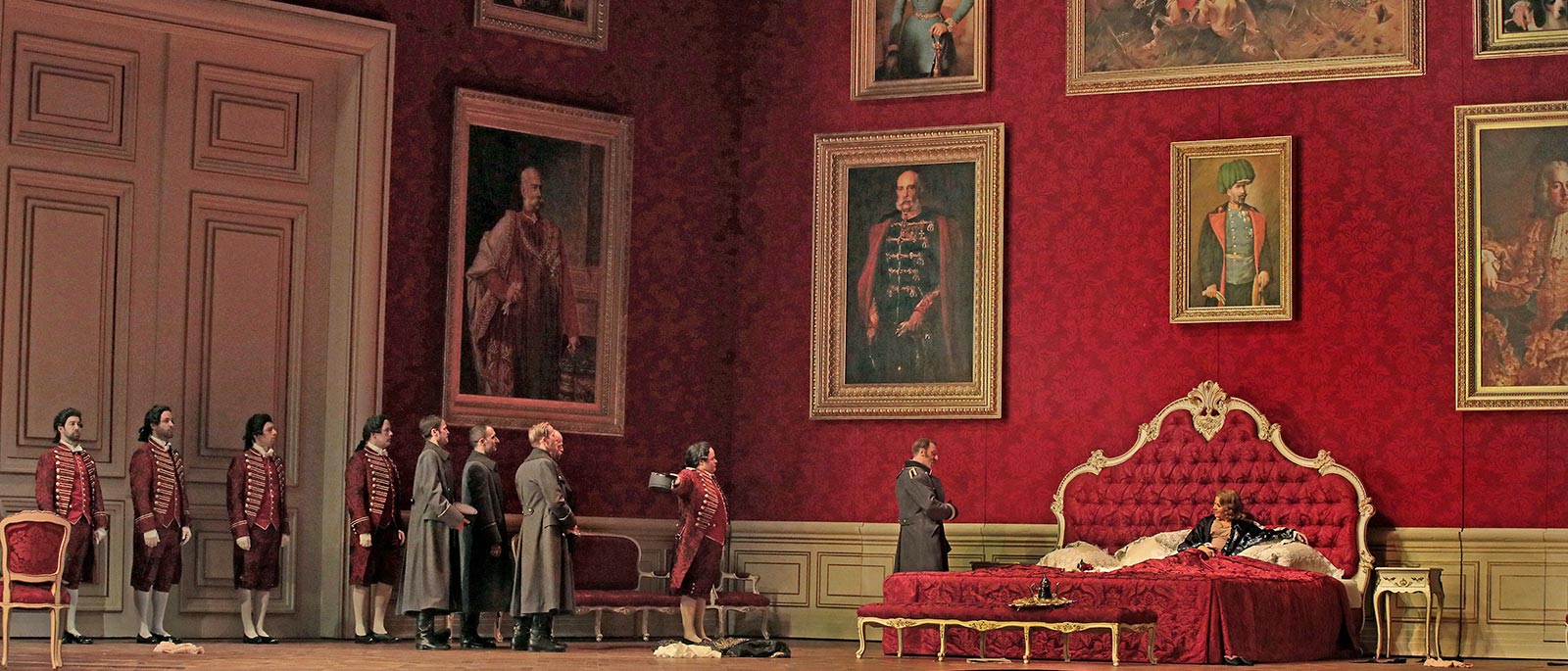
Strauss is not gentle in opera.
Psychology, obsession, power, desire — everything is on stage.
🎭 Key operas:
- Salome
→ Erotic, dark, shocking for its time - Elektra
→ Psychological thriller + musical explosion - Der Rosenkavalier
→ More nostalgic, elegant, and romantic
At their premieres, audiences were divided:
- “A genius!”
- “This is too much!”
Strauss never explained himself.
The music spoke.
👉 Tip (for opera lovers):
Subtitles are essential in Strauss operas. The story is as intense as the music.
⏳ 5. History, Politics, and Difficult Choices: Strauss’s Grey Zone
The 20th century was not an easy time.
Strauss stood right in the middle of the storm.
- Pressure during the Nazi era
- Attempts to protect his art and family
- Decisions that are still debated today
But one thing is clear:
Strauss’s music outlived the politics of his time.
👉 Tip (for history lovers):
Before judging Strauss, study Germany of that era. Context changes everything.
🌅 6. Late Period: From Noise to Silence
Young Strauss = a display of power
Old Strauss = wisdom
🎶 Four Last Songs
- Acceptance of death
- Gratitude for life
- Quiet, yet deeply moving
This is how a composer says goodbye:
Not by shouting — but by touching the soul.
👉 Tip (for mood):
Listen at night. Dim the lights. The impact doubles.
🎧 7. Where to Start with Strauss? (A Practical Guide)
If you’re new:
- Don Juan
- Also sprach Zarathustra
- Der Rosenkavalier (selected scenes)
If you know a little:
- Elektra
- Till Eulenspiegel
- Alpine Symphony
If you want to go deep:
- Four Last Songs
- Late-period lieder
🎯 Final Words: Why Does Strauss Still Matter?
Because Richard Strauss:
- Took Romanticism to its peak
- Kicked open the door to Modernism
- Destroyed comfort zones with sound
- Looked at the listener and asked, “Are you ready?”
He is not just a composer —
he is a test.
🎼 If you want courage, power, story, and emotion in music…
Strauss is waiting for you.
But be warned: once you enter his world, you’ll never listen the same way again 😉