Ah, the Vikings… These brave adventurers emerging from the icy fjords of the North are known not just for the myth of horned helmets but also as sailors, traders, and explorers who changed the course of European history. From the 8th to the 11th century, Vikings left their mark along European coasts, both striking fear and building cultural bridges. But let’s not see them only as “raiders”; let’s take a humorous yet deep dive into Viking history.
⚓ The Crazy Adventurers of the North: Origins and Lifestyle of the Vikings
Vikings hailed from what is now Norway, Sweden, and Denmark, and they mastered the art of seafaring. But being a Viking wasn’t just about setting sail in longships; it was a lifestyle.
- Social Structure: Vikings lived in clans and small kingdoms, learning both to fight and trade. Sometimes peasant, sometimes pirate, sometimes merchant—the role often depended on the weather at sea!
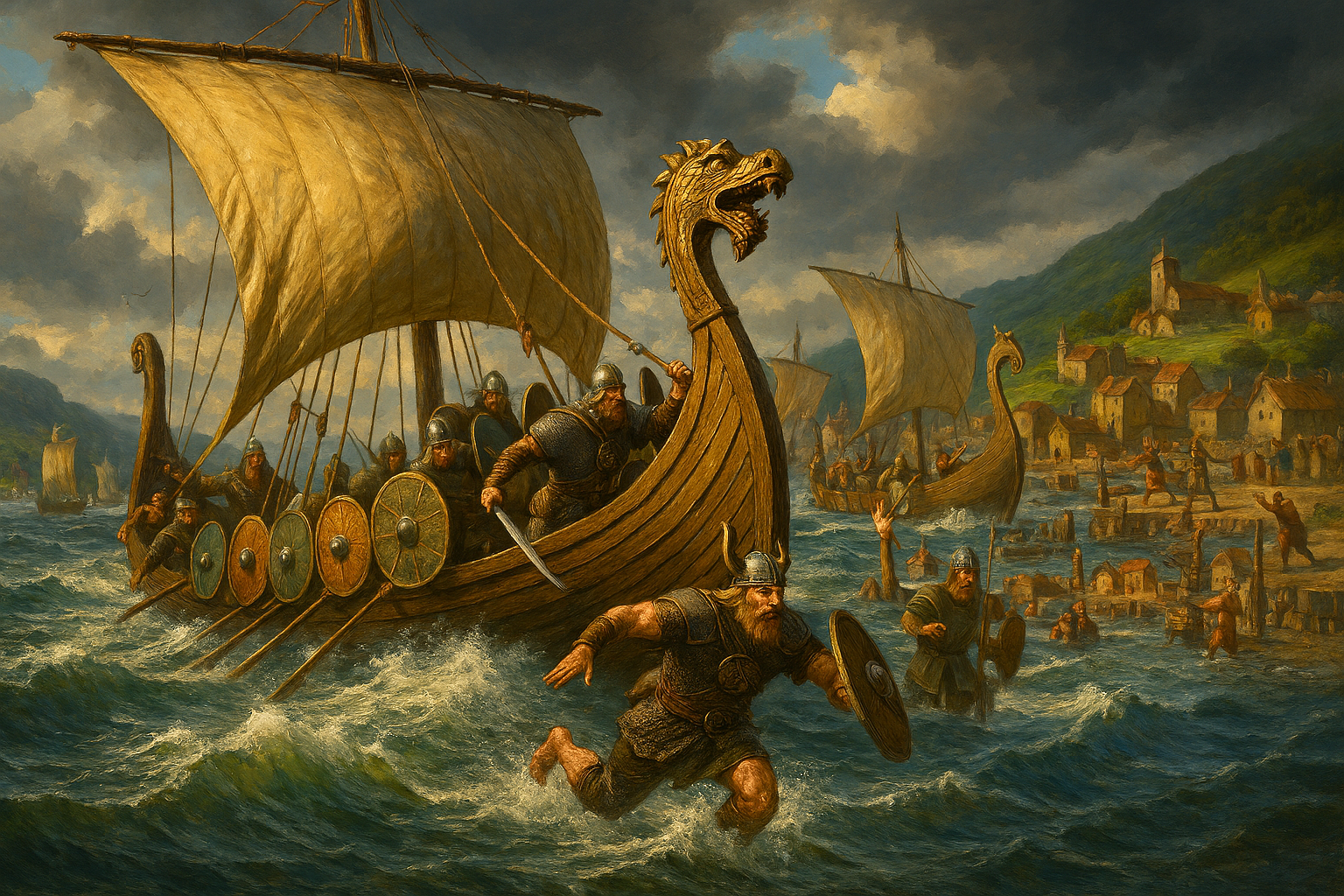
- Seafaring: Their long, narrow, sturdy ships called drakkars could brave the stormy Atlantic. Dragon or serpent figureheads at the prow both scared enemies and provided spiritual protection.
- Exploration: They set foot in Iceland, Greenland, and even North America’s Vinland region, making them the Columbuses of their era.
💡 Practical Tip: Vikings wrote history not only through raids but also through exploration and settlement. To truly understand them, look at both their maritime and trade activities.
🛶 Voyages to Europe and Trade Routes: Adventure Meets Economy
Vikings’ early European expeditions were mostly “surprise visits”: instead of saying “Hello, may we share your treasure?” they tended to make a more dramatic entrance. Over time, however:
- Trade and Economy: They sailed inland, exchanging furs, fish, slaves, metals, and salt, connecting Northern Europe with Western and Southern Europe.
- Urban Development: Cities like London, Dublin, and Kiev grew thanks to Viking settlements. Ports thrived, and marketplaces became bustling centers.
- Cultural Interaction: Scandinavian and European cultures mingled, leaving traces in language, law, and art. Viking sagas and stories became foundational texts for later literature.
💡 Humorous Tip: Vikings essentially developed a “raider, trader, and tourist” business model. They used the sea both for work and recreation!
🛡️ Their Legacy in Europe: Military, Economic, and Cultural Impacts
Vikings didn’t just shake coastlines—they reshaped European dynamics:
- Military Impact: European kingdoms built castles and developed defensive strategies against Viking raids, leading to more centralized and disciplined armies.
- Economic Impact: Trade routes flourished, and Northern Europe’s economy strengthened. Ports, markets, and shipping routes became active hubs.
- Cultural Impact: Vikings left a cultural legacy through sagas, legends, and even some modern English words. Legal and property regulations were also influenced by Viking practices.
- Social Impact: Locals in Viking-settled areas had to adapt to new laws and cultural norms, frequently asking themselves, “Who’s in charge here?”
💡 Fun Observation: Vikings were like typical heroes in Europe: “They appear suddenly, then vanish.” They both terrified locals and left invaluable lessons for historians.
🌊 Historical Context: Europe and the Northern World
The 8th–11th centuries were a kind of “chaotic stew” in Europe:
- Centralized kingdoms were still weak; borders and defenses were fragmented.
- Trade and sea routes were both opportunities and dangers.
- Vikings turned this chaos to their advantage: discovering new lands, boosting trade, and testing Europe’s military and diplomatic strategies.
💡 Tip for History Students: Seeing Vikings only as raiders is a big mistake. They were explorers, traders, city builders, and cultural bridges.
🎯 Conclusion: The Vikings’ Place in History
Vikings were a force that shaped European history:
- Their seafaring and exploration skills inspired future generations of sailors and explorers.
- European kingdoms had to improve their defense, trade, and diplomatic strategies.
- Cultural exchange, urbanization, and literature were profoundly influenced by their presence.
💡 Humorous Ending: Vikings arrived, rocked the coasts, traded, and left the message, “Next time, be ready!” Historians, sipping coffee, smiled and said, “History would’ve been way more boring without them.”