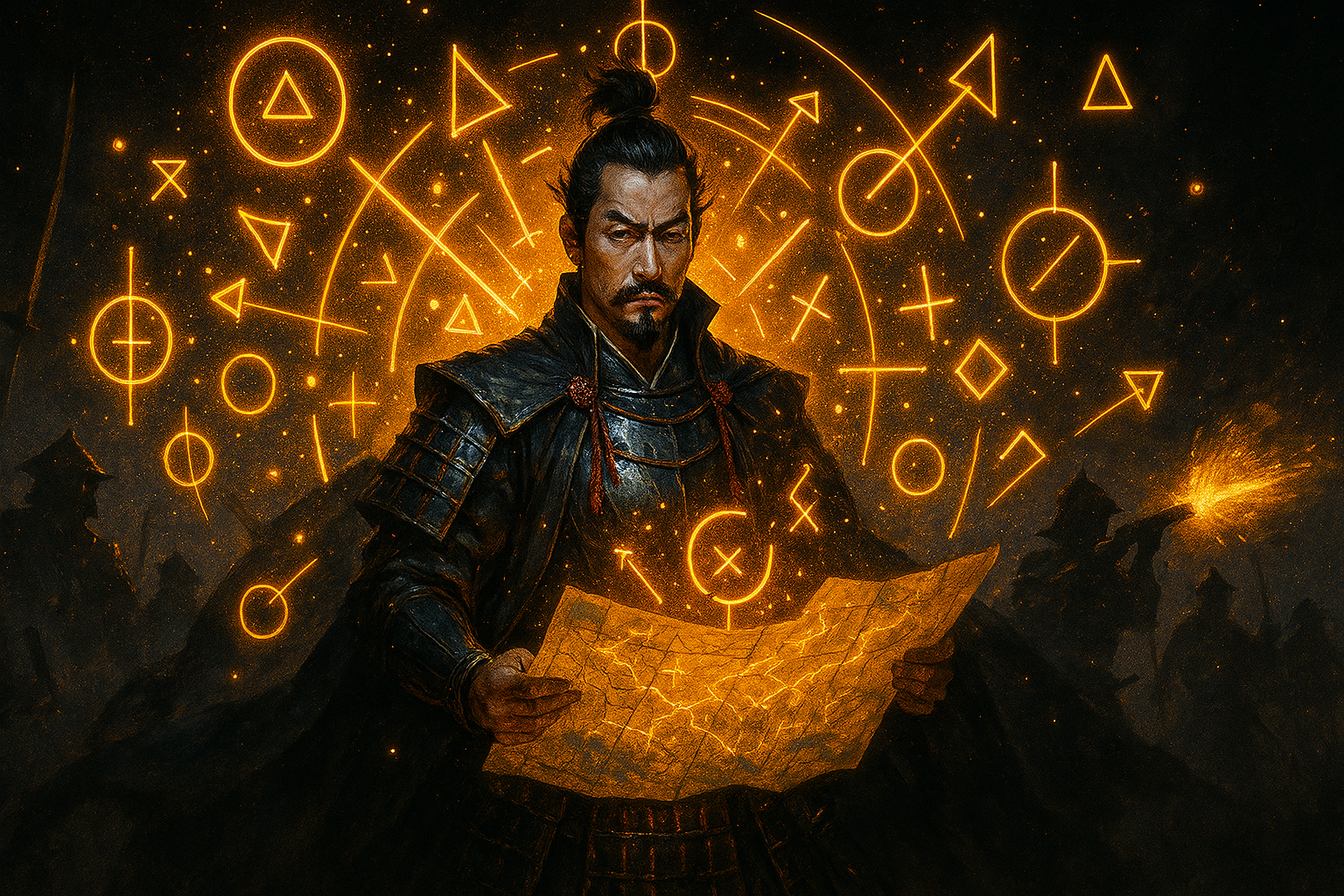
The Sengoku Period… Japan’s “age of chaos”… Imagine a world where your life is ruled by swords, arrows, political intrigue, and samurai. In this era, power was earned not only with the sword but with intelligence, strategy, and a bit of charisma. Oda Nobunaga proved this in 1563.
For those unfamiliar with Nobunaga: he was born as the leader of a small clan but was ambitious and visionary. In a way, he was Japan’s “strategy and technology-obsessed” samurai. 1563 was the year he not only showed his power but began solidifying it.
⚔️ Building Power: The Art of Intimidating Rivals
Nobunaga’s core strategy in 1563 was to carefully control his rivals. But he didn’t do it like a traditional warrior:
Small but effective attacks: Instead of confronting rival clans with massive armies, he conducted strategic, lightning-fast raids. Imagine a samurai moving like Flash!
Turning rivals against each other: He made deals with some daimyos while isolating others. In short, he chose his battles wisely.
Psychological intimidation: Nobunaga didn’t just fight; he used grand displays and harsh policies in towns and castles to scare his rivals. The message was clear: “I’m here, and I’m playing the game on my terms.”
💡 Practical tip: If you’re a history researcher, analyzing Nobunaga’s strategies from this period can serve as lessons even for modern leadership and strategy courses. Strategy is timeless, and sometimes using your brain is more effective than your sword.
🛡️ Alliances and Political Maneuvers: Keeping Your Enemy Close
In 1563, Nobunaga didn’t just fight; diplomacy and alliances were also the backbone of his power:
Alliances with local daimyos: Nobunaga sometimes pulled powerful rivals to his side instead of clashing with them, gaining an advantage against larger foes.
Isolation and containment: He strategically isolated enemies, turning the battlefield in his favor like a master chess player.
Secret messages and intelligence: Spies and communication networks were crucial in Sengoku-era Japan, and Nobunaga used them skillfully.
🎯 Historical tip: Nobunaga’s success came not just from military strength but from information power. Even in modern business, developing a strategy without knowing your opponent often fails. History teaches us this very well.
🔫 Modernizing the Army: Use of Firearms
One of the biggest differences between Nobunaga and other leaders was his embrace of innovation. By 1563, firearms (matchlock guns) were starting to spread in Japan, and Nobunaga turned them into a major strategic advantage:
Coordinated gun volleys: Nobunaga organized rifle units to counter enemy attacks, creating a collective, deadly force instead of relying solely on individual samurai.
Change in battle tactics: Traditional “sword and bow” combat gave way to strategic use of firearms.
Psychological edge: Enemy soldiers, unfamiliar with this new technology, were intimidated, which Nobunaga used to his benefit.
💡 Fun fact: The soldiers using these guns were basically Japan’s “early high-tech squad.” In the 1500s, technology could mean stunning your enemy with a single rifle shot!
🌱 Effects on the Era: A Turning Point in Japan
1563 wasn’t just a display of power; it marked a turning point in Japanese history:
Shift in power balance: Nobunaga’s growing influence significantly impacted daimyos around Kyoto and the Owari region.
Change in warfare: The rise of firearms and strategic thinking made the Sengoku Period a “more modern” age of war.
Foundations for political stability: Nobunaga’s harsh but effective policies laid small yet critical stones on the path to Japan’s eventual unification.
⚖️ Benefits and Costs: No Nobel Prize, But Lessons in History
Benefits:
A step toward reducing Japan’s fragmentation and creating a more centralized power.
Innovation and technology entered warfare and governance strategies.
Lessons in leadership and strategy emerged, making Nobunaga a textbook hero of history.
Costs:
Many people suffered due to wars and oppression.
Local populations’ lives became harder.
Nobunaga’s harsh and ruthless methods triggered future enemies and betrayals.
🎭 Humorous Touch: Nobunaga’s Charisma and the “Oda Nobunaga Effect”
In 1563, Nobunaga walks into a room, and everyone goes silent… Why? Because he didn’t just show his power—he combined charisma with strategy. His enemies’ only thought: “We shouldn’t mess with this guy.” 😎
💡 Unusual tip: Nobunaga’s charisma is still cited in modern leadership lessons. Leading through brains and strategy, not just fear… That’s a leadership lesson from centuries ago!
🔮 Conclusion: 1563 and Japan’s Future
1563 was not just a year for Oda Nobunaga; it was a year of strategy, technology, and power. Nobunaga emerged as not only a warrior but a visionary, strategist, and innovative leader of his era.
This year laid a small but crucial stone on the path toward Japan’s unification. Studying these moments teaches us not only about the past but also about leadership, strategy, and innovation.